Inked Muse

Posts

How We Frame Things on This Page

A few working definitions sit behind every post we publish. They are not legal terms and they are not a style guide for readers. They exist so that when we write about a shoot, an interview or a healing timeline, you know exactly what we mean and what we are not claiming.

Posts are editorial reference material

When a piece walks through healing stages, it describes what artists and clients commonly report across sessions. It does not replace instructions from the person who tattooed you, and it is not a diagnosis of anything you see on your own skin.

Fine line and blackwork are separate approaches

We treat them as two different ways of working, with different demands on skin, session length and patience. A comparison post is a comparison, not a ranking. Neither style is presented as the better choice for a first piece.

Shoot accounts describe one day, not a formula

A photo essay follows a single portrait session with a tattooed model. The waiting, the light adjustments and the quiet stretches belong to that shoot. They are not a template for how every photographer in Buenos Aires runs a day behind the camera.

Portfolio breakdowns stay with the model

When we look at how a book gets built image by image, the selection belongs to the model who made it. We describe what a studio photographer tends to look for in fine line versus blackwork frames, without turning that into a rule for everyone.

What we do not do in these posts

  • We do not promise a healing outcome, a final look or a result on your skin.
  • We do not publish commercial session figures. Time, patience and coverage are the measures we use.
  • We do not list studios, guest spots or convention dates as if they were articles. Those live in the directory, not in the reading stream.
  • We do not present a single reader's experience as the standard for the wider Argentine scene.

Editorial attribution

Who writes and shoots the pieces you read here

Every post on this page carries a byline. Sometimes that byline belongs to an Inked Muse editor who sat through the shoot, took the notes and shaped the draft. Sometimes it belongs to the photographer who was behind the lights that day, or to the tattoo artist who agreed to talk through needle technique and aftercare on the record. We do not run anonymous features, and we do not attach a name to a piece that person did not actually work on.

The attribution line tells you what kind of story you are about to read. A photo essay is credited to the photographer and the model who agreed to be photographed. An interview is credited to the writer and the artist who sat for it. A portfolio breakdown is credited to the model whose book is being unpacked, with the studio photographer named alongside. If a piece was pitched from outside the magazine, the attribution says so.

Photo essays

Credited to the photographer who ran the shoot and the model who sat for it. The attribution names the session, not a studio brand.

Artist interviews

Credited to the writer and the artist. The artist's own words on technique and aftercare stay attributed to them, not to the magazine.

Portfolio breakdowns

Credited to the model building the book, with the studio photographer named when they agreed to be listed.

Recent pieces from the current issue

Three stories that show how a single piece gets built here: a style comparison written for people booking their first appointment, a shoot diary from a full day behind the camera, and a healing reference you can actually follow week by week. Each one starts from a real question readers send in, then works through the practical side of skin, light and time.

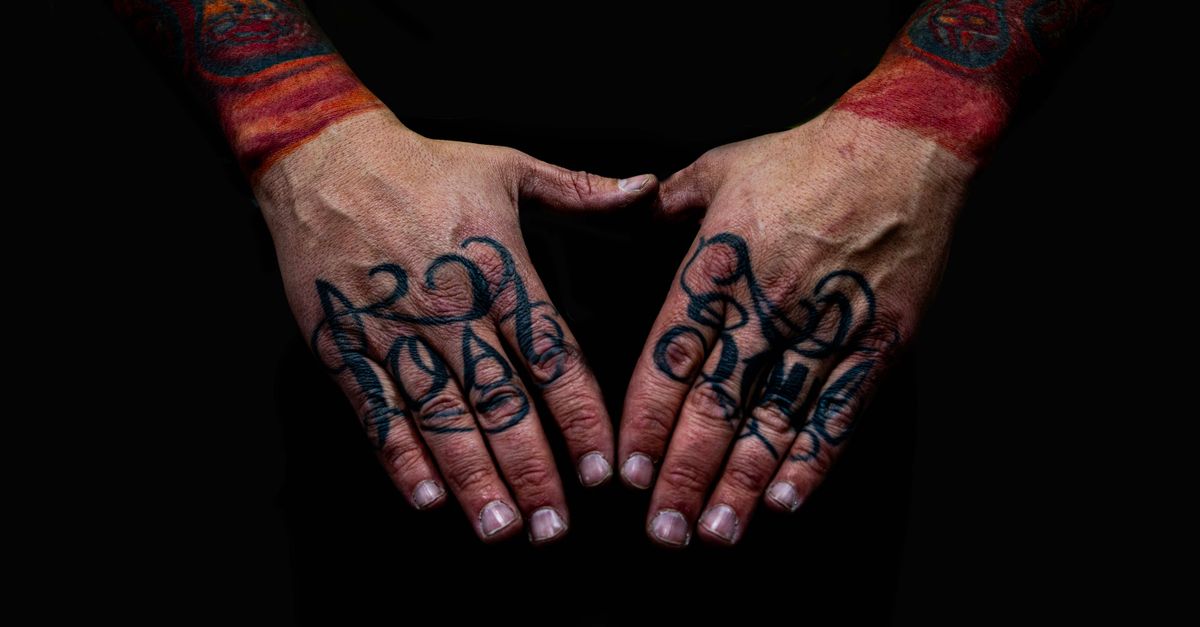
Close view of a tattooed forearm resting on a studio table under soft light

Fine Line Versus Blackwork: How to Choose the Right Approach for Your First Piece

A working guide to two very different tattoo languages

Fine line work rewards a steady hand and a client who can sit still through long, slow passes, while blackwork leans on bold saturation and larger coverage that often heals in fewer sessions. The choice is not only aesthetic: it changes how long a session runs, how the piece ages over a decade, and which artists in Buenos Aires are actually set up to take it on. This guide walks through the practical differences, the questions to ask in a consultation, and the small signals that tell you an artist genuinely works in the style you want rather than adapting to it.

Read the full piece
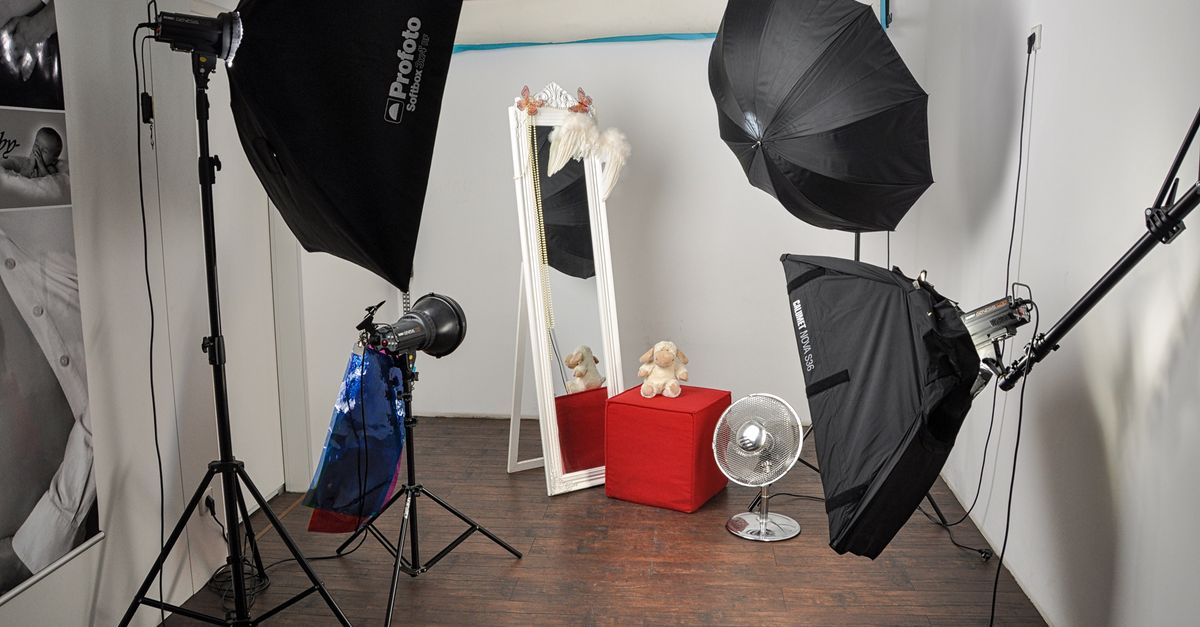
Studio lighting setup with a softbox aimed at an empty backdrop

What a Full-Day Session Actually Looks Like Behind the Camera

Notes from a portrait shoot with a tattooed model

Photographers who work regularly with tattooed models know that the best frames rarely come from the first hour. Skin needs to warm up under the lights, the model needs time to stop performing, and the artist needs to read how ink behaves against different backgrounds and contrast ratios. This piece follows the rhythm of a full shoot day, from setup and test frames to the last set before the lights go down, and explains why grey-scale portrait work depends so much on patience and small adjustments rather than dramatic direction.

Read the full piece
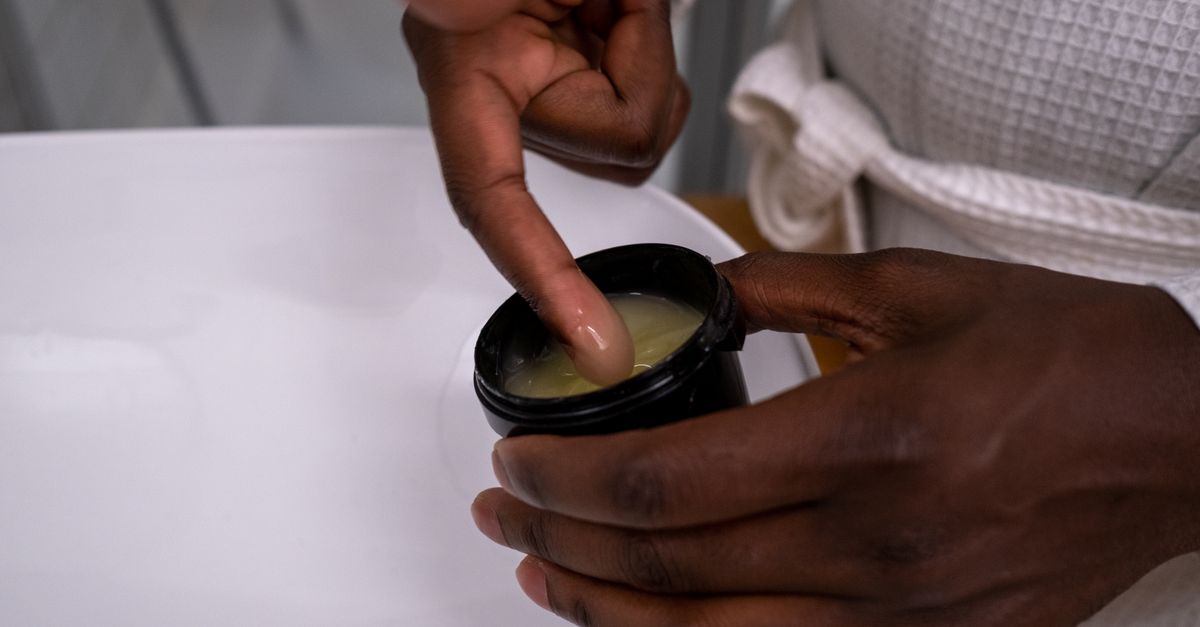
Hands applying a thin layer of ointment to a healing tattoo on an arm

Aftercare That Actually Works: A Week-by-Week Breakdown

What to expect from day one to full healing

Most aftercare advice collapses into a short list of do and do not, which leaves clients guessing when something looks unusual on day four. A healed tattoo moves through distinct phases: the initial wrap, the peeling window, the dry stretch where lines look dull, and the slow settling of contrast over the following weeks. This breakdown follows each stage with what is normal, what deserves a message to your artist, and how sun, friction and clothing choices quietly shape the final result. It is written for readers who want to understand the process rather than memorise rules.

Read the full piece

What you can send us

Not every message is a pitch, and not every pitch is a finished piece. If you are unsure which of the three below fits what you have, write a short note and describe it in your own words. We read everything that arrives.

A portfolio for a feature

Models building a book and photographers with a body of portrait work can send a selection of images plus a few lines on how the shoot came together. Tell us who was in the room, what the light was doing, and whether the set was fine line, blackwork or something in between.

A studio feature pitch

If you run a studio in Buenos Aires or elsewhere in Argentina and want to be written up, send a short outline: the artists working there, the styles they actually take on, and one or two pieces you would want photographed. Guest spot dates and convention appearances are welcome in the same note.

A written piece or interview idea

Writers and artists with something to say about needle technique, aftercare stages or the working life of a tattooed model can pitch a topic rather than a finished draft. A paragraph on the angle is enough to start.

Send submissions to info@tattooedmodel.com or use the form on the contact page. We read pitches and portfolios as they come in and reply within two weeks.