Inked Muse

Who we are, and who this magazine is for

Inked Muse is an independent magazine built around the working lives of tattooed models, studio photographers and tattoo artists in Buenos Aires and across the wider Argentine scene. We are not a trend blog and we are not a studio. We publish photo essays from real shoots, long interviews about needle technique and aftercare, portfolio breakdowns from models assembling a book, and a running directory of studios, guest spots and convention dates.

The tone stays plain on purpose. What a session actually takes you in hours. How a piece heals week by week. Which photographers shoot fine line and which ones live in blackwork. Fine line and blackwork are two different approaches with different demands on skin, time and planning and patience, and we treat them that way instead of flattening them into one style.

Inked Muse: our work

Who reads us

Tattooed models building a portfolio, photographers who shoot black and grey portrait work, and artists who want their process described accurately rather than sold.

How we work

Editorial, print-inspired layout. Matte black, bone white and oxblood accents, high-contrast black and grey photography, generous white space, condensed serif headlines paired with a clean grotesque for body text.

Where we publish

English as the main edition, with a Spanish edition for readers following the Argentine scene. Same reporting, same plain tone, two reading languages.

Readers can send a portfolio or pitch a studio feature, and we state our response time plainly: within two weeks. Everything shown on this page is editorial and illustrative work, not proof of a specific client result.

Why we started Inked Muse

Inked Muse began as a simple frustration: the working lives of tattooed models, studio photographers and tattoo artists in Buenos Aires were being photographed constantly and written about almost never. Portraits circulated, but the conditions behind them did not. Nobody was explaining how a shoot day is actually paced, what a session takes in hours rather than commercial terms, or why a fine line piece and a blackwork piece ask completely different things of the same skin.

So we built the magazine around that gap. Each issue mixes photo essays from real shoots, long interviews with artists about needle technique and aftercare, portfolio breakdowns from models building a book, and a practical directory of studios, guest spots and convention dates across the wider Argentine scene. We publish in English, with a Spanish edition for readers following the Argentine scene.

The tone stays plain on purpose. We would rather tell you that a full-day portrait shoot is mostly waiting, adjusting light and letting the model settle into the frame than pretend every frame arrives in the first hour. Fine line and blackwork are treated as two different approaches with different demands on skin, time and planning and patience, and we say so.
Why the work holds up

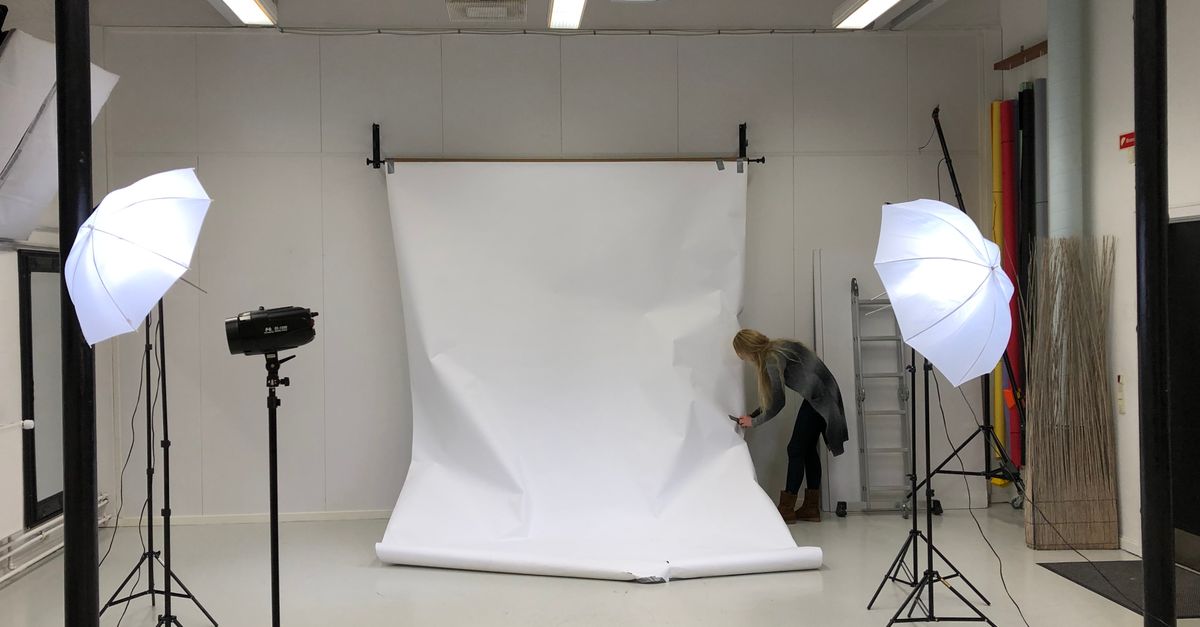
Plenty of magazines publish tattoo photography. Fewer explain how a frame was actually built. On this page we show the difference between a shoot that looks good in a grid and one that survives a full spread, and why we keep the production notes visible instead of hiding them behind a caption.

Our editorial choices come from working sessions, not mood boards. That means slower pacing, fewer frames, and a layout that lets a black and grey portrait breathe.

Pacing over posing

A full-day portrait shoot with a tattooed model is mostly waiting, adjusting light and letting the model settle into the frame. We plan for that rhythm rather than fighting it, and the resulting images carry a calm that staged direction rarely produces.

Two styles, two treatments

Fine line and blackwork are different approaches with different demands on skin, time and planning and patience. We crop and sequence them differently, because a delicate line piece and a saturated black panel do not read the same way on a page.

Layout as part of the story

Generous white space, a condensed serif for headlines and a clean grotesque for body text. The typography is not decoration; it sets how quickly a reader moves through a photo essay and where the eye rests.

Editorial, not proof

The work shown here is editorial and illustrative. It documents approach and craft, not a specific client result, and we say so plainly instead of dressing it up as a case study.

Reaching the desk behind the issue

Inked Muse runs on a small editorial team in Buenos Aires, and most of what lands here arrives by email rather than through a form. If you want to send a portfolio, pitch a studio feature, or ask about a shoot we covered, the routes below are the ones that actually reach a person. We read everything, but we do not run a support queue with ticket numbers or a chat window, so a clear message with the relevant links is worth more than a long one.

For questions about how we work with models, photographers and studios, the support page collects the recurring ones in one place. It is the fastest way to check whether your question has already been answered before you write.

  • Email

    info@tattooedmodel.com

    Best for portfolio submissions, studio pitches and interview requests. Attach a link to your work rather than large files.

  • Phone

    +54 9 11 2787 5911

    For time-sensitive editorial matters only. Leave a short message if there is no answer.

  • Post

    Buenos Aires, Villarreal 6

    Used for correspondence and printed material only. We do not receive visitors at this address.

Before writing, the support page covers the questions we get most often about submissions and coverage. For anything about how we handle your details, see our privacy policy.

Reading that sits beside the work

The images on this page come out of long sessions, and the writing behind them does too. These three pieces pick up where a shoot or a healed piece leaves off: how a style decision shapes a whole day under the lights, what actually happens between setup and the last frame, and how a tattoo settles over the weeks after. They are the reference material our editors keep coming back to when a portfolio breakdown needs context.

Start with the comparison if you are weighing fine line against blackwork, or jump to the shoot notes if you want to understand why grey-scale portrait work depends on patience more than direction.

Guide

Fine Line Versus Blackwork

Two tattoo languages with different demands on skin, time and planning and patience. A working comparison for a first piece, written for readers deciding what to book.

Read the comparison

Shoot notes

A Full Day Behind the Camera

Setup, test frames, waiting, small light adjustments. Why the strongest portrait frames rarely come from the first hour of a session.

Read the shoot notes

Aftercare

Healing, Week by Week

Healing is a sequence, not a single instruction. What is normal at each stage, when to message your artist, and how sun and friction quietly shape the final result.