Inked Muse

Aftercare That Actually Works: A Week-by-Week Breakdown

What to expect from day one to full healing

Healing is not a single instruction, it is a sequence. Each stage asks something different from you and from the piece. Most aftercare advice collapses into a short list of do and do not, which leaves clients guessing when something looks unusual on day four. A healed tattoo moves through distinct phases, and reading them in order makes the whole process far less alarming.

The first days are the sharpest the piece will ever look. The wrap comes off, the skin is tender, and the lines sit crisp because the ink is still close to the surface. Keep the area clean, apply a thin layer of ointment rather than a heavy one, and expect some weeping fluid in the first twenty-four to forty-eight hours. That is normal. What is not normal is spreading redness, heat that keeps climbing, or pain that gets worse instead of better. Those deserve a message to your artist, not a wait-and-see.

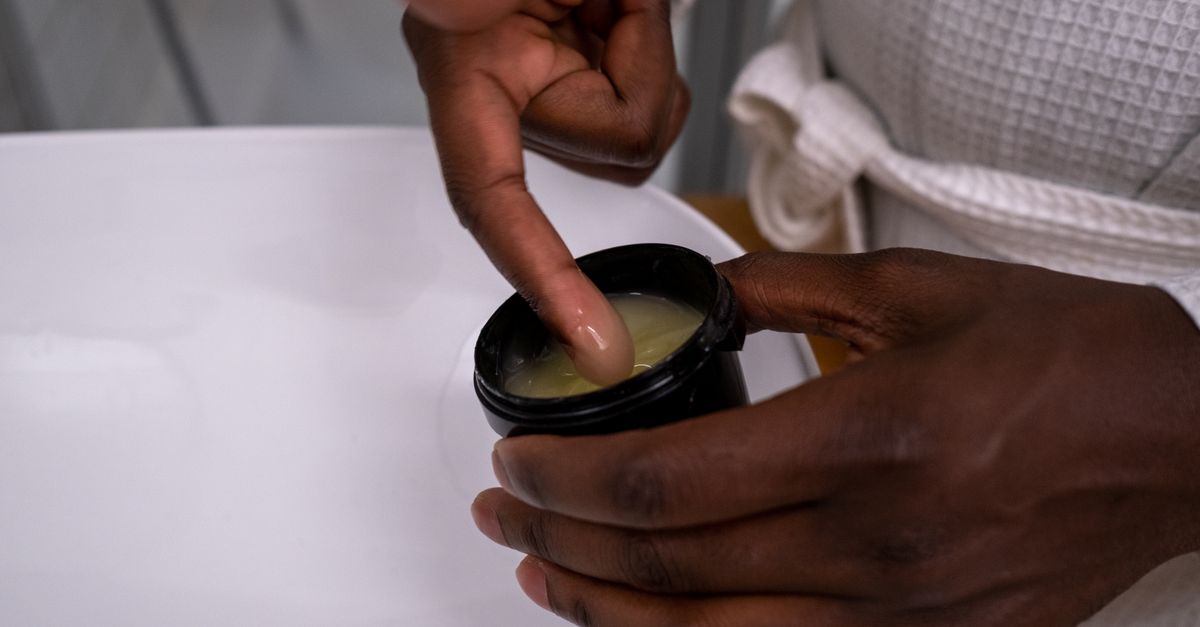
Hands applying a thin layer of ointment to a healing tattoo on an arm

Days 3 to 6: the peeling window

Flaking starts around the edges and works inward. The piece looks patchy and dull, and it is tempting to help the skin along. Do not pick at it. Let the flakes fall on their own, keep moisturising lightly, and avoid tight clothing that rubs against the area while it is still shedding.

Weeks 2 to 3: the dry stretch

The surface feels tight and the contrast looks weaker than it did on day one. This is the stage that worries people most, and it is also the most misleading. The ink is settling into the deeper layer of skin, and the final tone has not arrived yet. Sun exposure now is what fades a piece before it has even finished healing.

Weeks 4 and beyond: settling

Contrast returns slowly, and fine line work and blackwork do not move at the same pace. Bold saturation tends to read as healed sooner, while thin lines keep softening for another few weeks. This is also why portrait sessions are usually planned around a fully settled piece rather than a fresh one.

Sun, friction and clothing choices quietly shape the final result more than most people expect. A shoulder strap that drags across a healing piece, or a few hours in direct afternoon light, can leave a mark that no amount of ointment will undo later. If you are building a portfolio and want the work photographed at its best, give it the full settling period first. The same timing question comes up when models plan a book around a new piece, and it is worth reading alongside our notes on the wider editorial archive and the practical studio and shoot services we cover.

Aftercare That Actually Works: A Week-by-Week Breakdown

A healing timeline is useful only if it is honest about what it can and cannot tell you. These are the boundaries we keep in mind when we write about aftercare, and the ones worth keeping when you read it.

A range, not a schedule

When we say the peeling window opens around day three or four, that is a common range, not a promise. Skin thickness, placement, session length and how much the artist packed into a single sitting all shift the timing. If your piece is still flaking on day nine, that alone is not a warning sign.

Fine line and blackwork do not heal in step

A dense blackwork panel and a set of thin lines on the same arm will not look settled at the same time. The heavier coverage often reads flat and cloudy for longer before contrast returns, while fine line can look sharp early and then soften. The guide describes both rhythms rather than forcing one timeline onto every piece.

What we are not diagnosing

This breakdown is editorial reference material only. Spreading redness, heat, swelling that grows instead of easing, or a rash that follows the ointment are all reasons to contact your artist and, if it keeps going, seek qualified local help. We describe what is usually normal so you can tell the difference, not so you can self-treat.

Why photographers wait

When a model plans a portrait session around a fresh piece, the shoot is usually booked for after the dry stretch, once the dull film has lifted and the contrast has started to settle. Shooting during peeling gives you flaking skin and uneven tone that no lighting setup fixes. That waiting period is part of the plan, not a delay.

One more clarification: the stages below describe a typical healing arc for a well-applied piece on healthy skin. They are not a substitute for whatever your own artist told you at the end of the session. When the two disagree, follow the person who saw your skin under the needle.

Aftercare That Actually Works: A Week-by-Week Breakdown

A week-by-week breakdown covers the ordinary course of a healing piece, but it cannot see your arm. If the skin around the work turns hot, if a line that looked clean on day three starts weeping by day five, or if you simply are not sure whether what you are looking at is peeling or something else, the person who put the needle in is the right first stop. Most artists would rather answer a short message than rework a piece that went sideways because nobody asked.

For anything that is not tied to a specific piece, the magazine inbox is open. We read notes about aftercare routines that worked, products that did not, and the small differences people notice between how fine line and blackwork settle in the first month. Those observations feed the next round of articles.

Direct lines

If your question is about how we handle submissions, corrections or reader notes, the policy page explains the ground rules. For anything that needs a written reply rather than a quick answer, the contact page is the place to send it.
Author

Aftercare That Actually Works: A Week-by-Week Breakdown

This week-by-week aftercare breakdown was put together by the Inked Muse editorial desk, the same team that commissions the photo essays, artist interviews and portfolio features you read in each issue. We work out of Buenos Aires and report on the wider Argentine scene, so the questions in this piece come from conversations with tattooed models, studio photographers and artists who deal with healing skin every week.

We are an editorial magazine and do not provide professional care guidance. What we can do is describe the sequence honestly: the tender first days when a piece looks its sharpest, the flaking window that makes clients nervous, the dull stretch where lines seem to lose contrast, and the slow settling that follows. That is the part most short aftercare lists skip, and it is the part that decides how a tattoo reads in a portrait months later.

Pitches and portfolio submissions: info@tattooedmodel.com

Editorial desk: Buenos Aires, Villarreal 6 · +54 9 11 2787 5911