Building a portfolio book
Models use our photo essays and portfolio breakdowns to decide which shoots to schedule and how to sequence images so the book reads as a body of work, not a folder of singles.
Tattoo Model Portraits, Artist Interviews and Body Art Culture
The magazine is built around working situations, not abstract themes. A model assembling a book, a photographer weighing two very different tattoo languages, someone tracking how a piece heals week by week, a traveler mapping studios before a trip. These are the scenarios our regular coverage keeps returning to.
Nothing here promises a booking, an account or a shortcut. It is reading material you can act on: which shoots to schedule next, what to ask in a consultation, when a healing stage deserves a message to your artist.
See how our coverage is organized / Read the reader support notes
Models use our photo essays and portfolio breakdowns to decide which shoots to schedule and how to sequence images so the book reads as a body of work, not a folder of singles.
Studio photographers compare the two approaches before a session, because each places different demands on skin, time and planning and patience, and each changes how a shoot day is paced.
A long portrait session is mostly waiting, adjusting light and letting the model settle into the frame. Our behind-the-scenes pieces explain why the quiet parts produce the frames that last.
Aftercare is treated as a sequence rather than one instruction. Readers track the wrap, the peeling window, the dull stretch and the slow settling of contrast over the weeks that follow.
Travelers check our directory of studios, guest spots and convention dates before heading to Buenos Aires or elsewhere in Argentina, so a visit lines up with who is actually working that month.
Four situations we keep returning to across issues. Each one comes from the same material: photo essays shot on real sessions, interviews about needle technique and healing, portfolio breakdowns, and the studio and convention directory.
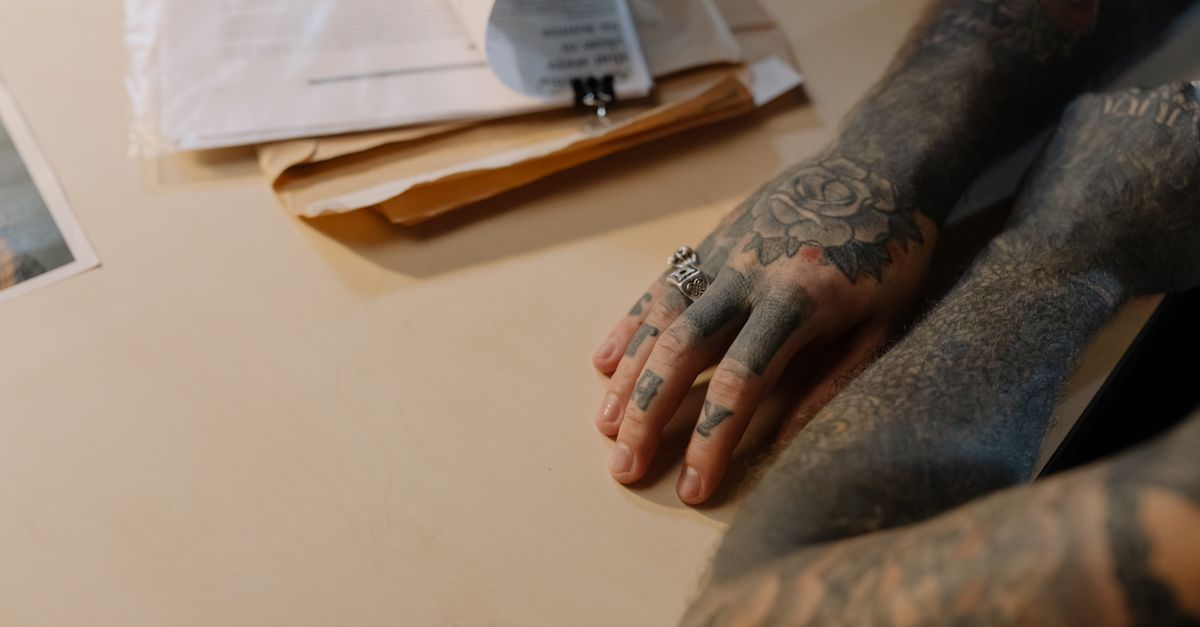
A tattooed model assembling a book uses our portfolio breakdowns to decide which shoots to schedule next and how to sequence images so the range of work reads clearly instead of as a pile of similar frames.
A studio photographer compares the two approaches before a shoot, because each places different demands on skin, time and planning and patience. A full-day portrait session is mostly waiting, adjusting light and letting the model settle into the frame.
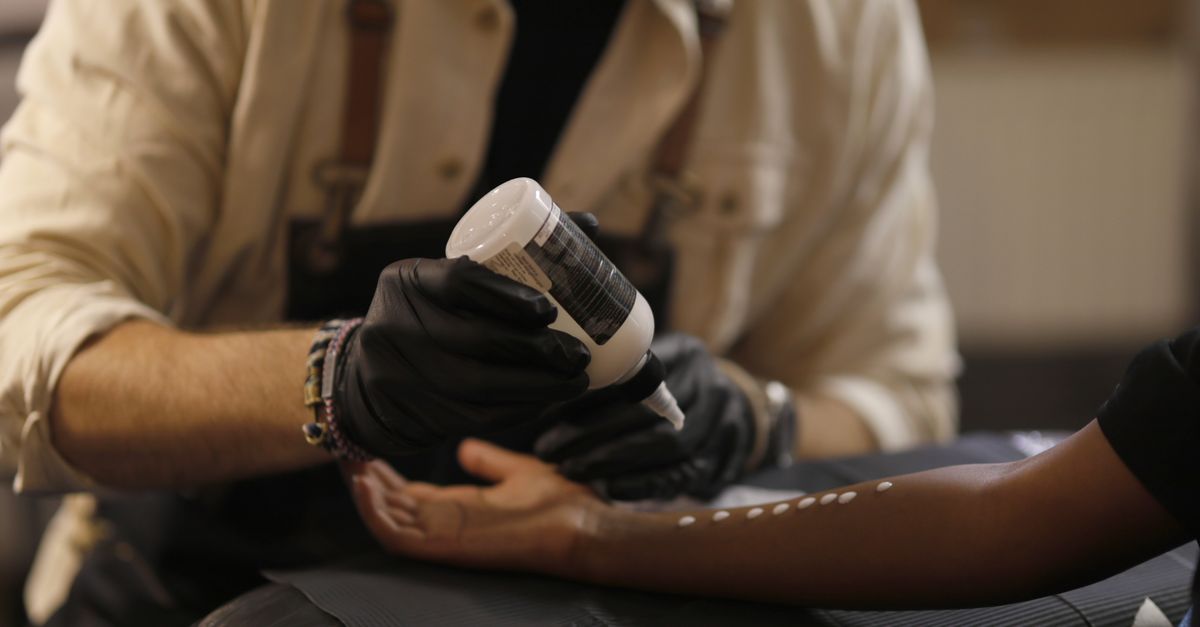
Readers come back to our aftercare pieces during the peeling window and the dry stretch that follows, when lines look dull and it is hard to tell whether something is normal. We treat healing as a sequence, not one instruction.
Before travelling to Buenos Aires or elsewhere in Argentina, readers open the directory to see which studios take guest spots and which convention dates fall inside their stay. It is a planning tool, not a booking service.
The scenarios on this page come from what Inked Muse actually publishes: photo essays from real shoots, long interviews about needle technique and aftercare, portfolio breakdowns, and a directory of studios, guest spots and convention dates. A few boundaries are worth stating plainly, so nothing here is read as more than it is.
When we describe a model assembling a book or a photographer planning a fine line versus blackwork session, that is a situation drawn from our regular coverage. It is not a named client, a commission or a documented case. Treat it as a working example of how the material gets used.
Inked Muse does not schedule sessions, hold slots or manage profiles. The directory lists studios, guest spots and convention dates as reference. Any arrangement you make happens directly with the artist or studio, on their terms and their calendar.
Our week-by-week breakdown describes the usual healing sequence: the initial wrap, the peeling window, the dry stretch where lines look dull, then the slow settling of contrast. It is written to help you understand the process, not to diagnose a reaction. If something looks wrong, your artist is the first person to ask.
Fine line and blackwork are treated here as two different approaches with different demands on skin, time and planning and patience. A photographer or artist described in an interview may work across both. Check their own portfolio before you assume a style is their regular practice.
Portfolios and studio feature pitches go to info@tattooedmodel.com. The stated response time is within two weeks. Editorial decisions, image selection and any correction to a published piece are handled by the editors, not by the studios featured.