Inked Muse

Behind the Camera

What a Full-Day Session Actually Looks Like Behind the Camera

Notes from a portrait shoot with a tattooed model
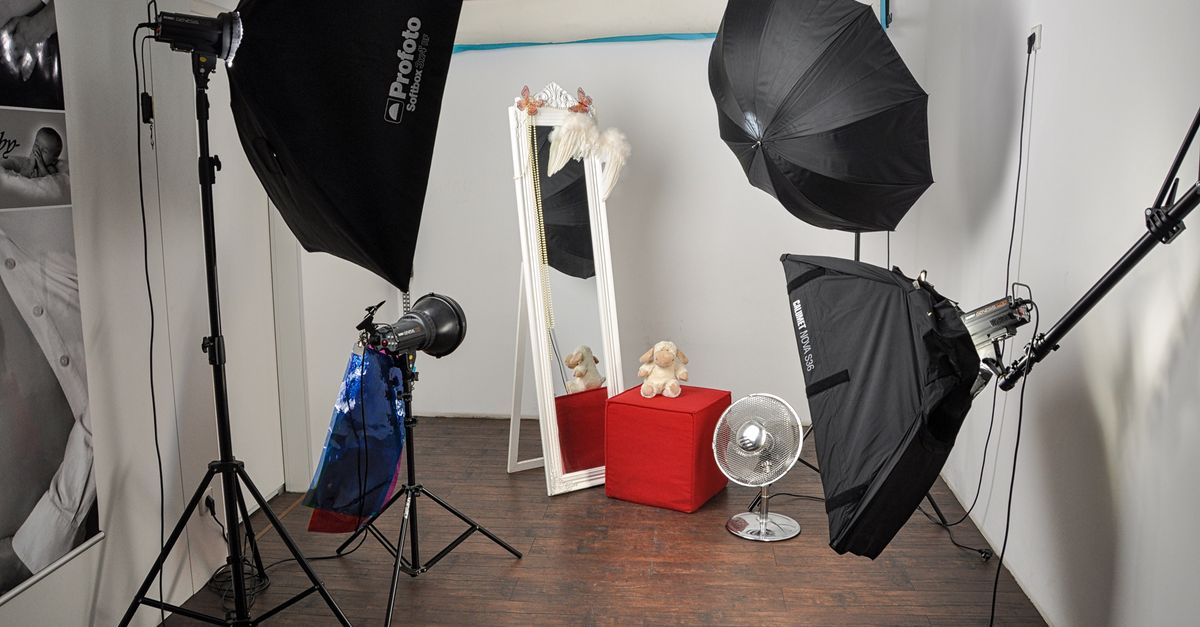
Studio lighting setup with a softbox aimed at an empty backdrop

Anyone who has booked a full day with a photographer and a tattooed model learns quickly that the schedule is not built around shooting. It is built around setup, small corrections and long stretches where nothing is being captured at all. The first hour is usually the least useful: the model is still stiff, the lights are still being nudged a few centimetres at a time, and the ink has not yet started to read properly against the backdrop.

Grey-scale portrait work lives or dies on how the skin behaves under the source. Fine line pieces sit close to the surface and need soft, diffused light so the thin lines do not blow out into a flat white. Blackwork is the opposite problem: hard contrast keeps the solid areas from turning into a single dark mass, but it also exposes every patch where the pigment healed unevenly. A photographer who works with tattooed models regularly will test both setups before committing to a look.

The middle of the day is where the real frames tend to appear. By then the model has stopped performing for the camera, the small adjustments have settled, and the session turns into something closer to a conversation than a shoot. That is the part most people never see in the final edit, and it is the reason a full day is worth booking instead of a rushed two-hour block.

What a Full-Day Session Actually Looks Like Behind the Camera

A behind-the-scenes piece invites assumptions. Before the day-by-day notes below get read as a template, here is what the article is actually describing and where the edges sit.

One shoot, not a standard

The timeline here follows a single portrait session with a tattooed model. Light positions, warm-up time and the number of test frames shift with the room, the backdrop and the person in front of the lens. Treat the sequence as an example of how a day can run, not a fixed schedule every photographer keeps.

"Warm-up" is a working term

When the piece says skin warms up under the lights, it means the model settles, the pose stops being posed, and the photographer stops chasing the first usable frame. It is not a claim about skin temperature, healing or anything clinical. It describes a change in how people hold themselves after the opening hour.

Grey-scale, not a house style

The notes lean on grey-scale portrait work because that is what this session used. It is not a rule for the magazine, and it is not a verdict on colour photography. Ink reads differently against a soft diffused source than against harder contrast, and the article stays with the setup that was actually on the floor that day.

No commercial figures or booking terms

Nothing here specifies commercial session figures or turnaround for delivered files. Those depend on the photographer, the usage and the arrangement made before the shoot. If you are planning a session, ask the studio directly rather than reading a number out of an editorial account.

Consent and attribution sit outside the frame

A shoot day includes conversations that never appear in the final set: which images can be published, how the model is credited, and whether a piece of work can be shown at all. This article does not reproduce those agreements, and it does not name the model, the studio or the artist. Where a detail would identify someone, it has been left out on purpose.

Support

What a Full-Day Session Actually Looks Like Behind the Camera

If something in this piece about the full-day portrait session needs a clearer answer, there are two ways to reach the magazine. Both go to the same editorial desk, and neither one creates an account, a file upload or a booking. Write in plain terms: which paragraph you are asking about, what you are trying to figure out, and whether you are a model, a photographer or a studio reader.

Email the editorial desk

Best for detailed questions about lighting choices, grey-scale contrast, or how a specific set was built during the day. Attach nothing unless asked; describe the situation in the message body first.

info@tattooedmodel.com

Call during working hours

Useful when the question is short and you would rather talk it through. Keep it to the shoot itself: setup, timing, how the model was directed between frames.

+54 9 11 2787 5911

Buenos Aires, Villarreal 6

Before writing, the answers to most recurring questions are already collected here: Read the support and FAQ page Or use the contact page

About this piece

What a Full-Day Session Actually Looks Like Behind the Camera

This article comes out of a single shoot day in a Buenos Aires studio, working with a model whose arms and back are already heavily inked. The photographer set up a softbox against a plain backdrop, ran test frames for close to an hour, and only started shooting the sets that ended up in the piece once the light had been adjusted three or four times.

The account stays close to that process: how grey-scale portrait work reads ink differently depending on contrast ratio, why the first hour rarely produces anything usable, and what changes in the room once the model stops performing for the camera. It is written for readers who want to understand the working rhythm behind a portrait session rather than a polished result.

Publication

Inked Muse

Independent magazine on tattoo model portraits, artist interviews and body art culture.

Buenos Aires, Villarreal 6

info@tattooedmodel.com

+54 9 11 2787 5911