Inked Muse

Feature

Fine Line Versus Blackwork: How to Choose the Right Approach for Your First Piece

A working guide to two very different tattoo languages
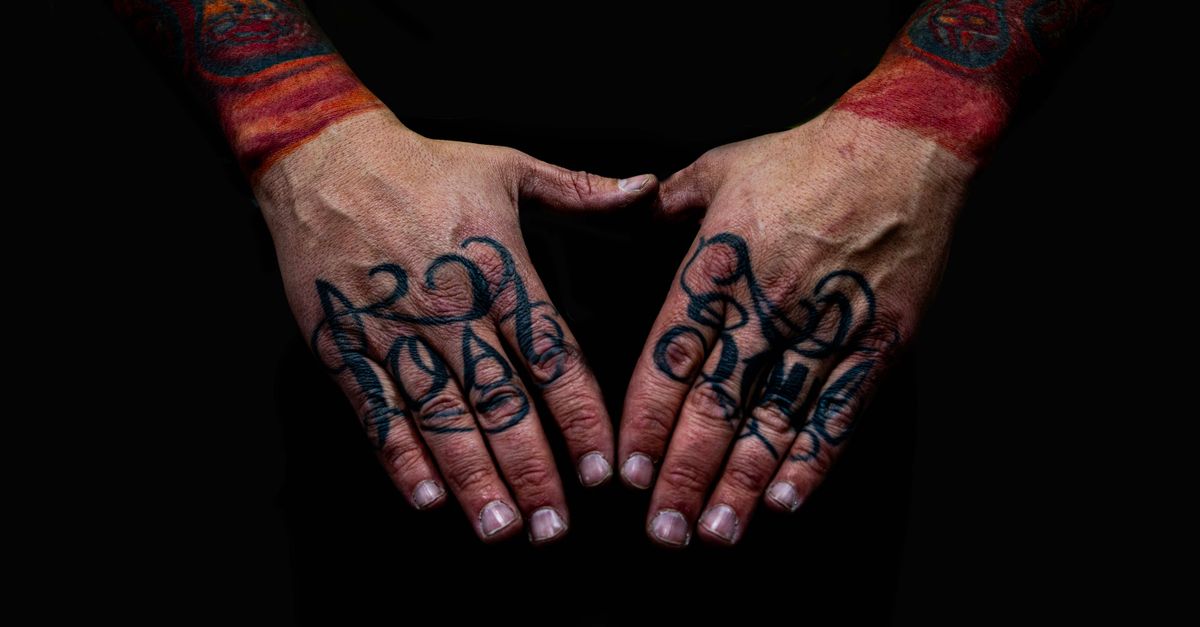
Close view of a tattooed forearm resting on a studio table under soft light

Fine line and blackwork ask different things of your skin, your patience and the way you sit in a chair. Fine line rewards a steady hand and a client who can hold still through long, slow passes. Blackwork leans on bold saturation and larger coverage, and it often heals in fewer sessions because the artist is not chasing a hairline edge.

The choice is not only aesthetic. It changes how long a session runs, how the piece ages over a decade, and which artists in Buenos Aires are actually set up to take it on. A studio that builds its book around fine line will handle a delicate script or a botanical outline differently than one whose walls are covered in heavy black fills.

In a consultation, ask what the artist shoots most often. Look at healed work, not just fresh photos. Fine line can soften and blur if the lines are too thin for the placement, while blackwork holds contrast but demands more skin and more recovery time between passes. Neither is better. They are just different commitments.

If you are still weighing the two, the honest answer usually comes down to placement, size and how much you want the piece to read from across a room. Bring references, ask about aftercare, and let the artist tell you which language fits the piece you have in mind.

Fine Line Versus Blackwork: How to Choose the Right Approach for Your First Piece

A few things get flattened when people compare fine line and blackwork, so it is worth being precise about the limits of this article before you use it to plan a piece.

Style labels are not guarantees

Calling a piece fine line or blackwork describes an approach, not a fixed standard. Two artists can use the same term and still differ on needle grouping, line weight and how much they are willing to pack into a single session.

Healing is individual

Session length, aging and healing are described here as tendencies, not promises. Skin type, placement, sun exposure and how closely you follow your artist's instructions all shift the outcome.

No fixed time or time requirement figures

This guide does not specify hours, commercial session details or session counts for a specific piece. Those depend on the artist, the size and the placement, and they belong in a consultation, not in a general article.

Not a studio recommendation

Naming a style an artist works in is not an endorsement of that artist. Check portfolios, ask about their process and confirm the details directly before you book.

Where the article refers to the Buenos Aires scene, it means the working context the magazine covers, not a ranking of who is best. If something in your consultation contradicts what you read here, trust the artist in front of you and the piece on your skin.

Fine Line Versus Blackwork: How to Choose the Right Approach for Your First Piece

If the comparison between fine line and blackwork still leaves you unsure, the fastest route is a direct message. We read everything that arrives, and we answer questions about style, session length and how a piece is likely to age.

Email the desk

Send your question, a reference image or a note about the artist you are considering. Attach nothing you would not want forwarded to a studio.

info@tattooedmodel.com

Call the office

For a short question about a consultation or a studio feature, a phone call is often quicker than typing it out.

+54 9 11 2787 5911

Post

Written notes, printed references and portfolio pages can be sent to the address below.

Buenos Aires, Villarreal 6

Before you write

The support page collects the questions we get most often about submissions, corrections and how we handle reader material.

Read the support notes

We do not run accounts, uploads or booking tools here. Anything you send stays with the editorial desk. For details on how we store correspondence, see the privacy policy.

About this piece

Fine Line Versus Blackwork: How to Choose the Right Approach for Your First Piece

This comparison was written and edited by the Inked Muse editorial desk, the same team that runs the magazine's interviews, photo essays and portfolio breakdowns. It is a working piece, not a studio advertisement: the aim is to give a first-time client a clear way to read the difference between fine line and blackwork before booking anything.

The material here comes from the questions readers send in most often, and from the consultations our contributors sit through while reporting on artists in Buenos Aires and the wider Argentine scene. Where a claim depends on how a specific artist works, we say so rather than generalising. Where the answer changes with skin, placement or the age of the piece, we flag that too.

Inked Muse is an independent magazine. We do not provide tattoo services and we do not take commissions from studios. If you want to pitch a studio feature or send a portfolio for consideration, the contact page is the right place to start, and the editorial desk reviews submissions on its own schedule.